The Birthday on Your Sidewall: What a Used Tyre's DOT Code Reveals Before You Buy
Used car viewings are funny things. You turn up with a torch, a checklist and the best intentions, then spend twenty minutes kicking tyres that look brand new. Plenty of tread, nice black sidewalls, no obvious damage. Job done, surely?
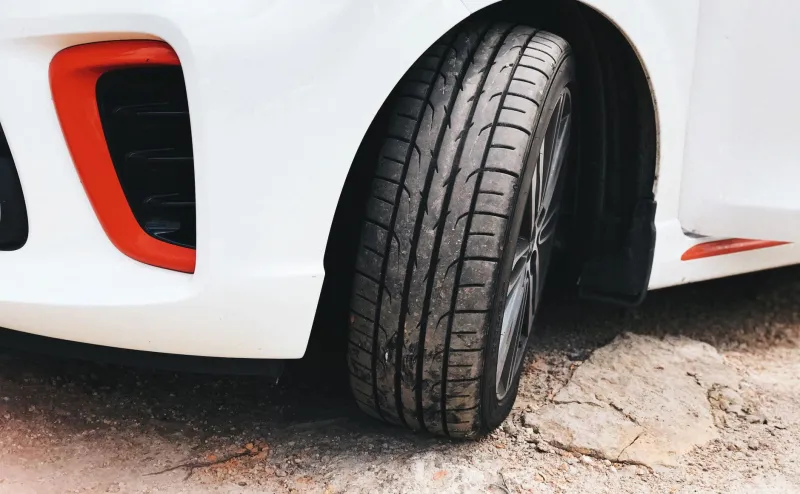
Not quite. Tread depth is the easy bit to see, which is exactly why it gets all the attention. Tyre age is the bit that hides in plain sight. And in the Tamar Valley, where lanes stay damp, salt air hangs around and a second car might sit for weeks between trips, old rubber can be a far bigger issue than a couple of millimetres of tread.
The four digits that matter more than you think
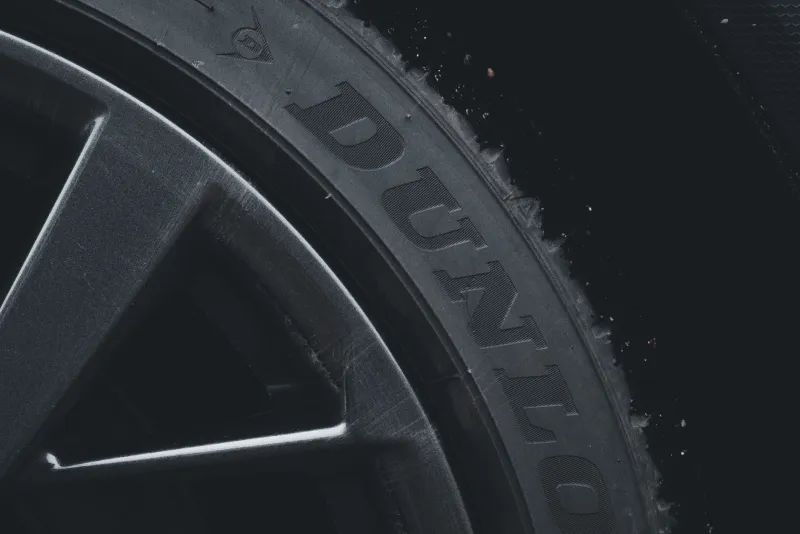
Have a look at the sidewall of each tyre. Somewhere on it you will find the letters DOT followed by a string of characters, ending in a small oval containing four numbers. That oval is the tyre's date of manufacture.
The first two digits are the week of production, the last two are the year. So 3421 means the 34th week of 2021. A tyre stamped 0819 was built in the eighth week of 2019. If you see only three digits, that is an older pre-2000 format and you are looking at a tyre that has no business being on a car you plan to drive through a Cornish winter.
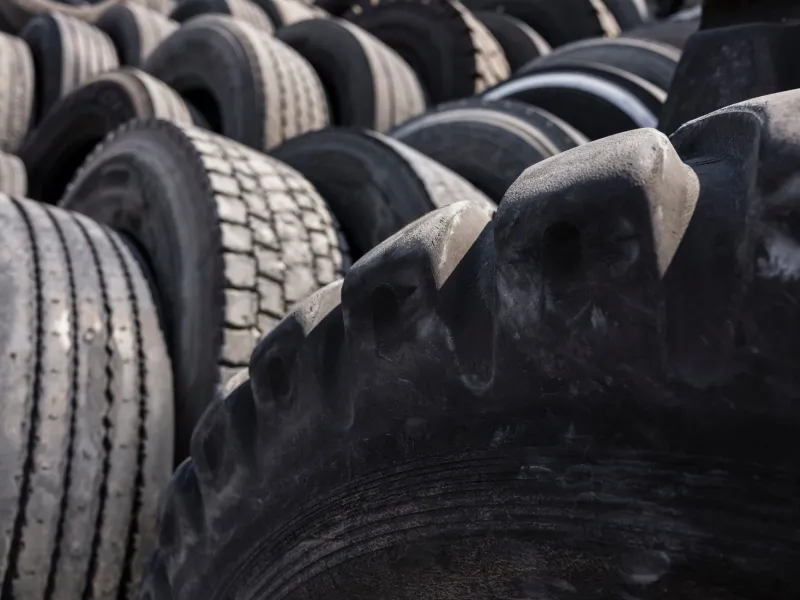
It is worth saying plainly: tyres do not improve with age. Rubber compounds contain oils and anti-ageing ingredients that gradually migrate out. UV light, ozone, repeated heat cycles and long periods parked up all accelerate the process. A tyre with 5mm of tread and a 2016 date code is not a bargain. It is a hardened, less grippy compromise that may also be more prone to cracking.
Most major manufacturers suggest replacing tyres around the six-year mark from manufacture, and many draw a hard line at ten years regardless of tread. As a used car buyer, that gives you a useful rule of thumb: anything approaching six years old deserves a close look, and anything in double figures should be priced into the deal or replaced.
Why 'plenty of tread' can still be a false economy
A tyre can pass an MOT with 1.6mm of tread, but that is a legal minimum, not a target. Wet grip falls away noticeably below 3mm, and on the sort of leaf-covered, muddy-edged B-roads we get around here, that margin matters.
Now add age into the mix. An old tyre may have deep tread but stiff, dried-out rubber. It can feel fine in the dry and then give you a nasty surprise in the wet. Sidewall cracks, small crazed lines near the bead, or a chalky, greyish appearance are all clues that the rubber has been cooked by sun and time. None of those things show up on a tread depth gauge.
There is also the standing-still problem. Cars that sit for long spells develop flat spots and can suffer more sidewall deterioration on the loaded area. A low-mileage used car is not automatically a tyre bargain. Sometimes it means the tyres have spent years pressed against the same patch of driveway.
A viewing checklist for Devon and Cornwall buyers
Before you get distracted by service history and whether the heated seats work, spend five minutes on the rubber.
- Check all four date codes, plus the spare. They should be reasonably close together. A mix of 2018 and 2024 tyres tells you somebody replaced things piecemeal, which is not always bad, but it is worth asking why.
- Look for cracking in the tread grooves and sidewalls. Fine surface crazing is one thing; deep splits near the shoulder or bead are another. Walk away from those.
- Check for bulges or bubbles. Any deformation in the sidewall is a structural problem, not a cosmetic one.
- Inspect the valve stems. Cracked rubber valves are cheap to replace but a good indicator of overall neglect.
- Look at the tread wear pattern. Inner or outer edge wear can point to alignment issues. Cupping or scalloping may suggest suspension wear.
- Ask about repairs. A single, properly plugged puncture is usually fine. Multiple repairs close together, or any repair on the sidewall, is a no.
- Match the axles. Ideally, tyres on the same axle should be the same size, type and roughly the same wear. Mixing a premium tyre with a budget one on the same axle is a compromise you can feel in the wet.
- Check the load and speed ratings. They should meet or exceed the vehicle manufacturer's specification. Cheap replacements sometimes fall short.
The salt-air factor
Living near the coast adds another wrinkle. Salt-laden air does not do rubber or exposed metal any favours. Alloy wheels suffer, and tyre beads and valve hardware can corrode quietly. If the car has lived by the sea, pay extra attention to the bead area and the condition of the wheel rims. A tyre that will not seal properly because of corrosion is a problem waiting to happen.
What to do when the tyres are old
Do not simply walk away from an otherwise good car. Use it. Price a set of four quality tyres into your offer, and be honest about what you actually need. If the car is a weekend runabout, a decent all-season might suit. If it is doing daily miles on wet lanes, buy properly and buy once.
And if the seller gets defensive about the date codes? That tells you something too. A genuine enthusiast will usually know when their tyres were fitted. A trader who shrugs at a 2017 date code is telling you what kind of preparation went into the rest of the car.
Tread depth is a snapshot. The DOT code is the tyre's birthday, and birthdays do not lie. Check it before you buy, because replacing four tyres a month after purchase is a far more expensive surprise than spending ten minutes on your knees at the viewing.