Powder, Prep and Promises: Seven Questions to Ask Your Alloy Refurbisher
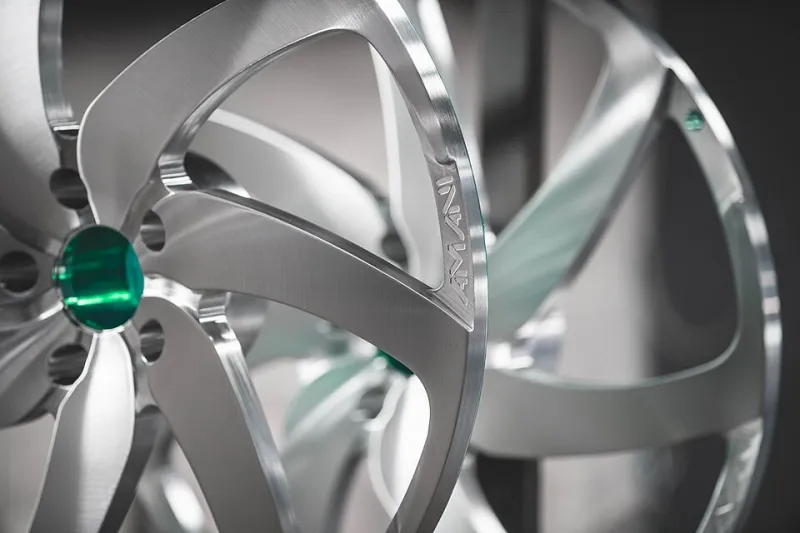
Photo: Cameronm125, CC BY-SA 4.0, via Wikimedia Commons
Alloy refurbishment is one of those jobs where the finish gets all the attention and the prep does all the real work. A set of wheels can leave the workshop looking factory-fresh, then spend one Cornish winter quietly bubbling around the centre caps and peeling along the diamond-cut faces. The difference between a finish that lasts and one that merely photographs well usually comes down to what happened before the powder went anywhere near the metal.
So treat the quote like a mini interview. You are not being awkward. You are trying to find out whether the price includes the boring, invisible stages that keep the finish attached when the salt spreader has been through your village.
1. What exactly happens before the coating goes on?
This is the question that separates a proper refurb from a tidy-up. A good answer should mention stripping the old finish back to bare metal, not just keying the surface and painting over the top. Ask whether they use chemical stripping, media blasting or a combination, and how they deal with old powder coat that has already started to lift.
You also want to hear about inspection. Cracks, buckles, corrosion around the bead seat and previous repairs all need flagging before anyone spends time making the face look pretty. A refurbisher who tells you they will check the wheel and call you if it is not worth saving is usually a safer bet than one who promises a perfect result before they have seen the damage.
2. Powder coat or wet paint, and why that choice?
Powder coating is tough, uniform and popular for daily-driven wheels. It is baked on, covers well and generally shrugs off stone chips better than a basic paint job. The trade-off is that powder can go on thicker, which may soften sharp details around the spokes and lettering. It is also harder to spot-repair neatly if you clout a kerb later.
Wet paint gives more flexibility on colour matching and can be easier to blow in on a small repair. The catch is that the final durability depends heavily on primer and lacquer quality. Neither option is automatically better. The right question is whether the workshop is set up for the finish they are selling you, and whether they will explain the practical differences rather than just quoting a buzzword.
3. How do you handle diamond-cut faces and their lacquer?
Diamond-cut wheels look superb when fresh, but that machined face is exposed metal held back by a clear coat. Ask whether the cutting is done in-house or sent out, how much material they remove, and what lacquer they use over the top. A thin or poorly applied clear coat can start to bloom and whiteworm quickly once road salt and wet grit get a hold.
A sensible refurbisher will be honest about the limits here. Diamond-cut finishes are less forgiving than a full powder coat, especially on a wheel that lives outside and does high mileage. If they promise it will look showroom-perfect for years with no caveats, press them on what happens if moisture gets under the lacquer.
4. Are tyre removal, refitting and balancing included?
This is where cheap quotes often get less cheap. Removing tyres without damaging the bead or the new finish takes care and the right equipment. Refitting should include new valves where appropriate, proper balancing and a check that TPMS sensors are reused or replaced correctly if your car has them.
Ask whether the price includes stripping and refitting the tyres, or whether that is extra. Also ask who refits them and whether they torque the wheel nuts properly rather than rattling them on with an impact gun. If you are taking loose wheels in, make sure you know whether you are collecting them bare or ready to bolt back on.
5. What does your warranty actually cover?
A warranty is only useful if you know what voids it. Ask how long the cover lasts, whether it applies to the finish, the structure or both, and what happens if corrosion appears around the centre bore or behind the spokes. Find out whether kerb damage, stone chips, abrasive wheel cleaners or winter road salt affect a claim.
Diamond-cut lacquer often carries different terms from powder coat, so get that in writing. A good workshop will explain the exclusions without getting defensive. A vague answer now tends to become a frustrating conversation later, usually when you are standing in the rain with a wheel that has started to flake.
6. Can I see the breakdown in the quote?
A useful quote should be itemised enough that you can see what you are paying for. Look for stripping, any repair work, coating or paint, diamond cutting if relevant, tyre removal and refitting, valves, balancing and VAT. Ask what happens if they find a crack or a buckle once the old finish is off. Will they call you before doing extra work, or does the quote quietly grow legs?
Also ask about turnaround time and storage. If your car is off the road while the wheels are away, a realistic date matters more than an optimistic one. If you are leaving the car with them, check whether they need locking wheel nut keys and whether they will store the wheels securely.
7. What do previous customers say about the finish after a year?
Before you commit, ask to see examples of their work that have been on the road for a while, not just freshly finished display pieces. A workshop that understands local conditions will talk openly about winter exposure, cleaning products and the sort of wear they see on diamond-cut faces.
If you can, look at reviews and photos from customers who have run the wheels through a full salt season. Shiny is easy on day one. The real test is whether the finish still looks tight after a few months of wet lanes, farm muck and the occasional pothole.
A good alloy refurb is not just a cosmetic spend. It is a small contract between you and the workshop: they do the prep properly, you look after the finish sensibly, and both sides know what the warranty really means. Ask the seven questions before the stripping starts, and you are far less likely to be the person staring at whiteworm next spring wondering where the money went.


