Before the Bay Doors Open: The Modified Car's Wheel and Tyre MOT Walkaround
An MOT isn't a style tribunal. The tester isn't there to decide whether your dished alloys suit a Mk7 Fiesta or whether your stretched tyres look properly scene. But the moment a wheel or tyre looks marginal, the test stops being about emissions and brake balance and starts being about whether the car is safe to present. For modified cars, the smartest move is a proper walkaround before the bay doors open — ideally a week before, not ten minutes after you've queued.
Here at Tamar Wheels, we're not anti-modification. Far from it. But we've seen enough Cornish cars roll into test stations with rubbing arch liners, missing spigot rings and a TPMS light glowing like a pub sign to know that most MOT wheel dramas are avoidable.
What the tester actually looks at
The MOT isn't a full strip-down. The tester inspects what's visible and accessible: wheel security, wheel condition, tyre condition, tread depth, tyre suitability and, on relevant cars, the TPMS warning lamp. They'll have the car on a ramp, they'll rock the wheels, and they'll look for fouling or damage. They won't measure your arch gap with a micrometer, but they will notice a wheel that looks ready to leave without the car.
That's why the best prep is boring. Clean the wheels, look at the sidewalls, check the torque, and make sure nothing rubs on full lock. A modified car that presents well and drives straight gives the tester far less to think about.
The three-metre rule: poke, spacers and arch clearance
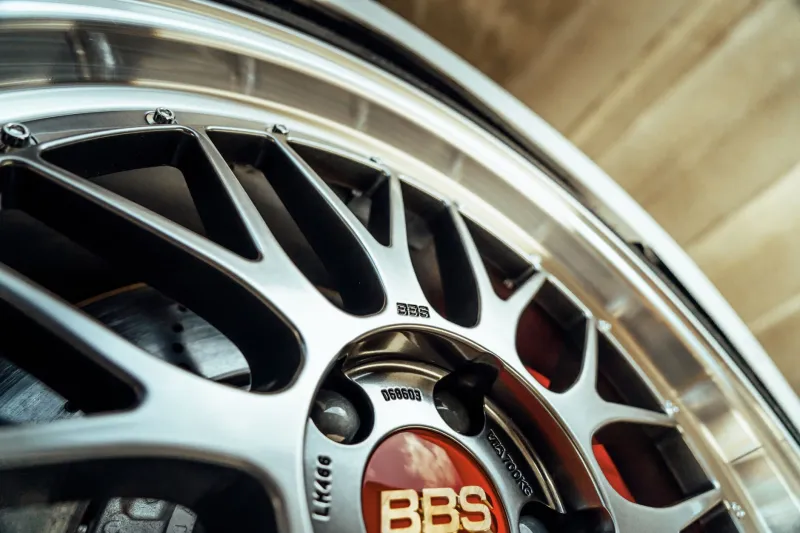
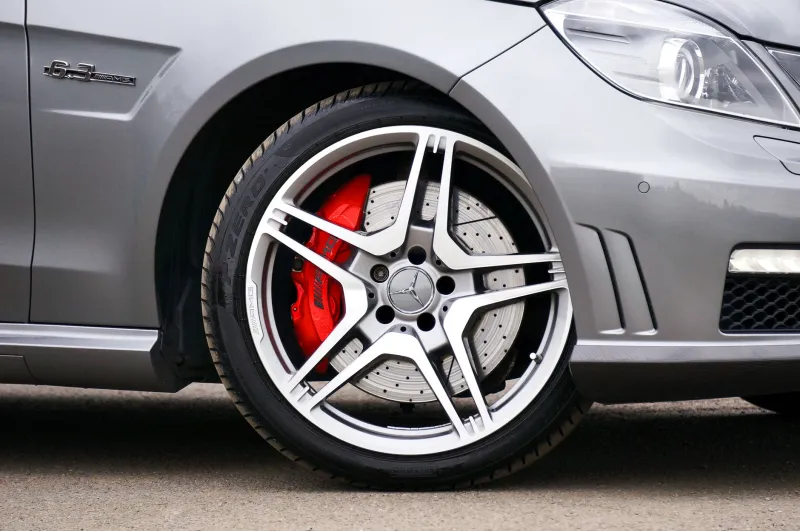
Stand three metres from the car and look down each side. Are the rims or tyres sitting proud of the arches? A bit of poke isn't automatically a refusal in every case, but it puts the car under the tester's nose. If the tyre fouls the arch, the liner or a suspension component, that's refusal territory. If a sharp rim edge is exposed, expect questions.
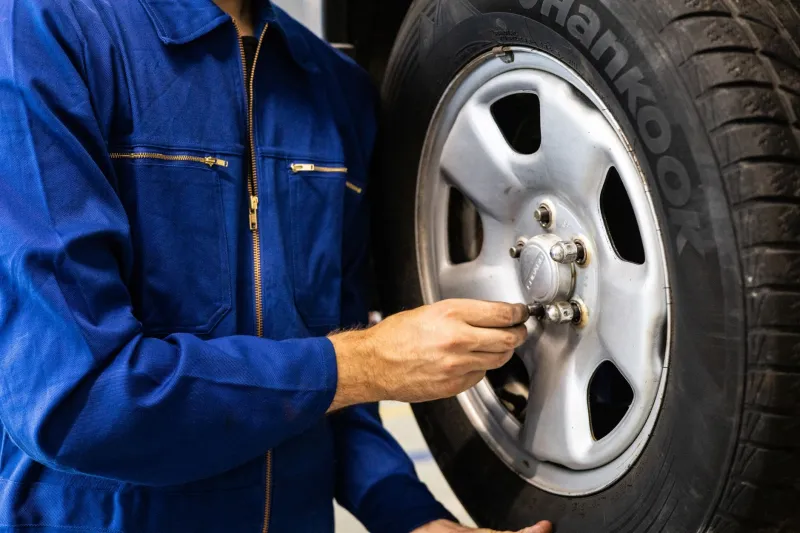
Spacers deserve their own check. Hubcentric spacers with the correct spigot location are one thing; universal shims stacked like playing cards are another. Make sure the wheel still sits centrally on the hub, the studs or bolts have enough thread engagement, and the wheels are torqued properly. Then turn the steering lock-to-lock and bounce each corner. If anything catches, sort it before MOT day.
Stretched tyres and the sidewall you can't see
Stretch isn't an automatic MOT fail. But a tyre stretched beyond the wheel manufacturer's recommended width can expose the bead, reduce load capacity and hide sidewall damage. Testers check for cuts, bulges, exposed cords and incorrect seating. A bulging sidewall or visible cord is a fail, full stop.
Before the test, clean the sidewalls properly. Cornish salt and grit can mask a small cut until it becomes a big problem. Look at the inner sidewall too, not just the face you admire at the petrol station. If the rim sits proud of the tyre and has kerb damage, that's worth addressing before it becomes a tester's talking point.
TPMS: don't tape it, fix it
On cars first used from 1 January 2012, the TPMS warning lamp is part of the MOT. If it's illuminated, that's a fail. After a wheel swap, sensor replacement or coding change, the system may need a relearn. Don't cover the light with tape and hope. Cold snaps trigger pressure warnings anyway, so check pressures when the tyres are cold and reset the system properly.
Tread, pressures and the winter toll
The legal minimum is 1.6mm across the central three-quarters of the tread around the entire circumference. Check the inner edges, which are easy to miss when the car is parked close to a hedge. Uneven wear points to alignment or suspension issues, and those are better found before the test than after a refusal. Set pressures to the manufacturer's figures, not the number someone quoted on a forum in 2019.
Your pre-MOT wheel and tyre checklist
- Wash the wheels so you can actually see the sidewalls.
- Check wheel-nut or bolt torque with a calibrated wrench.
- Inspect spacers, spigot rings and centre bores.
- Turn lock-to-lock and listen for rubbing.
- Check tread depth and look for cuts, bulges or cords.
- Confirm the TPMS light goes out after the self-check.
- Check pressures cold and adjust if needed.
- Make sure arch liners and mudflaps are secure.
- Remember that an MOT pass doesn't validate your insurance. Declare your mods.
When to refit standard parts instead of arguing
If you're relying on it passed last year or the tester is sound, stop. Refit standard wheels and tyres if the current setup pokes excessively, rubs, uses questionable spacers, runs stretched rubber beyond spec, or has a TPMS fault you can't clear. A set of standard wheels for test day is cheaper than a refusal, a retest and a lecture. If you do swap back afterwards, recheck torque after about 30 miles.
The MOT is a safety check, not a modification approval service. Prep the car properly for 2026 and you can keep the look you want without turning the test station into a debate club.