Cheap Rubber, Real Risk: Buying Part-Worn Tyres Without Buying Trouble
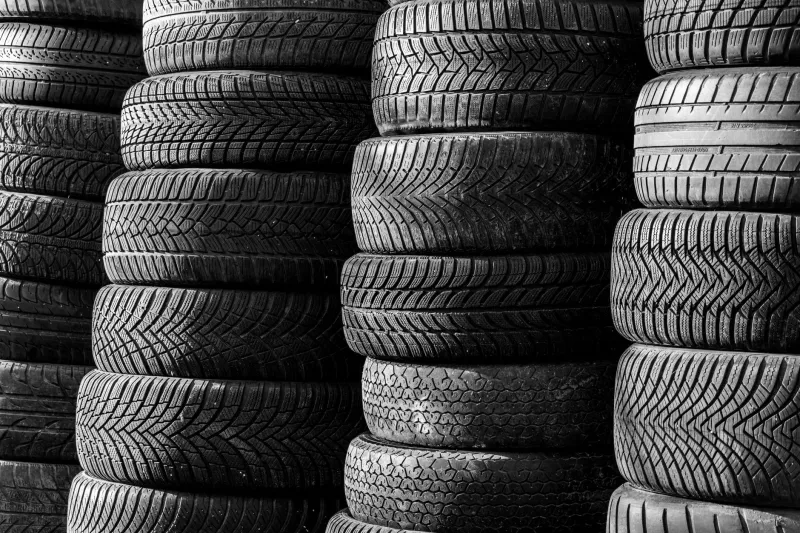
There is a certain logic to part-worn tyres. A new budget tyre might set you back £65 to £90 fitted, while a used one can be £30 to £50 before fitting. On a second car, a van that only does local runs, or a tight month before payday, that saving feels real. On a Cornish B-road in February, though, cheap rubber has a way of turning into an expensive lesson.
Part-worn tyres are not automatically bad. They are legal to sell in the UK, and plenty of reputable yards handle them properly. The problem is that the market also attracts sellers who treat safety rules as optional extras. If you are going to buy used rubber, you need to know what the law expects, what a quick glance will miss, and when walking away is the only sensible move.
What ‘part-worn’ actually means in law
A part-worn tyre is a used tyre that has been fitted to a vehicle at some point. Sellers have to meet specific rules under the Motor Vehicle Tyres (Safety) Regulations 1994. The big one is the marking: a part-worn tyre must carry the words ‘PART-WORN’ in capital letters, at least 4mm high, permanently moulded or stamped into the sidewall. If that marking is missing, don’t hang around for a debate. The tyre should not be on sale.
The tyre also has to meet minimum standards. It must have at least 1.6mm of tread across the central three-quarters of its width, running continuously around the whole circumference. It must not have bulges, tears, exposed cords, deep cuts or tread lift. The sidewall and bead area need to be sound, not just the bit you can see when the tyre is standing upright.
That legal minimum is exactly that: a minimum. A tyre with 1.7mm of tread is legal in the same way that a chocolate teapot is technically a teapot. It will not give you much grip in standing water, and Devon and Cornwall lanes have a habit of serving up standing water when you least expect it.
The checks that a quick look will miss
A part-worn tyre can pass a visual check and still be a poor buy. The first thing to look for is the date code. Since late 2000, tyres have carried a four-digit DOT code showing the week and year of manufacture. A tyre ending in ‘2319’ was made in the 23rd week of 2019, which makes it seven years old in 2026. Age alone is not an automatic fail, but rubber hardens, and many manufacturers recommend replacement around the ten-year mark. A cheap tyre that is already eight or nine years old is not the bargain it appears to be.
Next, look at the inside of the tyre, not just the outside. Bead damage, rough repairs and inner-sidewall scuffs are easy to hide when a tyre is stacked with twenty others. Ask the seller to let you inspect the inside and the bead. If they won’t, that tells you something.
Repairs deserve their own warning. A proper puncture repair should follow the British Standard BS AU 159 method, and it should be done from the inside with a plug and patch. A quick string plug from the outside is fine as a roadside get-you-home measure, but it is not a long-term repair. If you can see a rough plug, or the seller cannot tell you how it was repaired, assume the worst.
Then there are the markings that affect whether the tyre suits your car at all. Check the size, load index and speed rating against the vehicle handbook or the tyre placard. A bargain tyre with the wrong load rating is not a bargain; it is an insurance headache and a handling question mark. Matching tyres across an axle matters too. Mixing brands, tread patterns or wear levels can upset ABS, traction control and wet braking. On a front-wheel-drive hatchback doing school runs, you might get away with more than you would on a tow car heading to the coast with a caravan on the back.
How to spot a dealer worth dealing with
A legitimate part-worn dealer will not mind questions. Look for clean premises, tyres stored out of direct sunlight, proper marking on every part-worn tyre, and a receipt that lists the tyre size, load index, speed rating and any warranty. Ask about their returns policy. Ask how they check for internal damage. Ask whether they will fit the tyre and check the balance. If the answers are vague, or the seller is working out of a van in a layby with a cash-only policy, keep your wallet closed.
Reputable sellers also tend to have a narrow range of tyres rather than a mountain of random stock. That suggests they are buying with some care. A yard that can tell you the history of a tyre, or at least how it was inspected, is more reassuring than one that shrugs and says ‘it’s all good, mate’.
When a part-worn tyre makes sense
There are honest use cases. If you have a rare tyre size and need a matching replacement quickly, a part-worn tyre from a known good source can bridge the gap. If you run a cheap second car that does low-speed local miles, a good part-worn pair might be acceptable. If you are stuck after a puncture and need to get home, a part-worn tyre is better than a space saver doing motorway speeds.
But there are situations where used rubber is a false economy. Performance cars, tow cars, cars that do lots of motorway miles, and anything driven regularly on wet West Country lanes should be on tyres you trust. So should any car where the tyres are mismatched across an axle. If one tyre is damaged and the other three are at 4mm, buying a single part-worn tyre to match the worn one is often false economy. A new pair on the front or rear is the better move.
The maths that makes the bargain less bargain-shaped
A £40 part-worn tyre plus £10 to £15 fitting is already £50 to £55. A new budget tyre might be £70 fitted. The gap is smaller than it first appears. Add in the risk of a hidden repair failing, a wheel alignment issue, or a tyre that is older than you thought, and the saving can vanish. If a tyre fails and damages an alloy, or leaves you stranded on the A30, the cost climbs quickly.
There is also the insurance angle. Tyres are consumable items, but your car still has to be roadworthy. If an insurer inspects a car after a claim and finds tyres below the legal limit, or with a load rating that does not match the vehicle, that is not a conversation you want to have. Part-worn tyres are not automatically a modification issue, but they are absolutely a maintenance issue.
A sensible checklist before you hand over cash
- Check for the ‘PART-WORN’ marking, at least 4mm high.
- Confirm tread depth across the central three-quarters, all the way round.
- Look for bulges, cuts, exposed cords, tears and tread lift.
- Read the DOT date code and think hard about age.
- Check the size, load index and speed rating against your handbook.
- Inspect the inside and bead area, not just the outer sidewall.
- Ask how any repair was done and whether it follows BS AU 159.
- Match tyres across the axle where possible.
- Get a receipt and ask about warranty and returns.
- Walk away from anything that feels rushed, vague or too cheap.
Part-worn tyres can be a sensible stopgap. They are not a shortcut to cheap motoring. Buy from a dealer who follows the rules, inspect like you mean it, and remember that the best tyre is the one that keeps you out of the ditch on a wet Cornish night. A £40 saving is not worth much if it costs you a wheel, a wing, or a whole lot more.