Torque It, Then Check It: The 30-Mile Wheel-Nut Habit That Saves Alloys
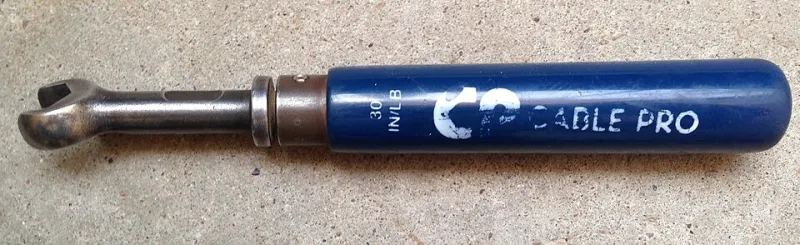
Photo: J.C. Fields (Talk) (Uploads), CC BY-SA 3.0, via Wikimedia Commons
Wheel nuts are one of those things most drivers touch twice a year, if that. You swap the winters on, you swap them off, and in between you trust that the garage did them up properly. That trust is usually well placed. But there is one habit that separates a wheel that stays put from a wheel that starts to fret: the re-torque after the first 30 miles.
Why 30 miles matters
When a wheel is fitted, the nut and stud joint is not instantly settled. Paint, powder coat, dirt, corrosion and tiny high spots on the mating face can compress once the wheel is under load. The wheel may also heat and cool as the brakes work. That can reduce clamping force slightly, even if nothing was obviously loose when you fitted it.
Thirty miles is not a magic law of physics. It is a practical window: long enough for the joint to settle, short enough that you have not done a thousand miles on a nut that is no longer doing its job. Many wheel manufacturers and tyre shops recommend a re-check after the first 50 to 100 miles, but for a seasonal swap or a new set of alloys, a 30-mile check is a sensible early warning.
Torque is not tight as you can
Every car has a specified wheel-nut torque, usually somewhere in the 110-140 Nm range for a typical UK hatchback or estate, but you must check your handbook or the wheel manufacturer's guidance. A torque wrench is not a luxury. It is the only way to know you have applied the right clamping force.
Too loose and the wheel can move on the hub, which wears the stud holes and can end in a wheel parting company. Too tight and you stretch studs, damage threads, distort brake discs and make roadside removal a misery. The old tyre-shop habit of rattling nuts on with an impact gun and calling it done is exactly what you do not want.
The sequence is part of the job
Clean the hub face and the back of the wheel. A wire brush and a rag are enough. Do not smear grease on the stud threads unless the manufacturer specifically says so, because it changes the friction and therefore the torque figure.
Tighten in a star or criss-cross pattern, not in a circle. For a five-stud wheel, that usually means one, three, five, two, four. Snug them by hand first, then bring them up in stages with the wrench. If you are fitting a wheel with a locking nut, treat it like any other nut for torque, but make sure the key is seated fully.
Tools that earn their keep
A half-inch torque wrench with a suitable range, a deep socket that fits the nuts properly, a breaker bar for loosening, and a pair of wheel chocks are the basics. An impact wrench is fine for removing nuts, but not for the final tighten. Keep the torque wrench dry, treat it as a measuring tool and get it calibrated occasionally if you use it often.
Check the locking-nut key before you start. They strip, crack and go missing. A worn key can damage the nut and leave you stuck at the roadside. If the key lives in the glovebox, wrap it in a cloth so it does not rattle around.
A simple seasonal routine
- On flat ground, chock the wheels and loosen the nuts slightly before jacking.
- Raise the car, support it properly and remove the wheel.
- Clean the hub and the wheel mating face.
- Fit the wheel and hand-tighten the nuts in a star pattern.
- Lower the car so the tyre is on the ground, then torque to the handbook figure in stages.
- Drive 30 miles, ideally including a mix of town and faster road speeds.
- Let the wheels cool, then re-check every nut with the torque wrench.
That last step takes five minutes and it is the one most people skip. If you have had a tyre fitted at a garage, ask whether they recommend a re-torque and at what mileage. If you have changed to a different alloy with a different seat type, be extra careful. The wrong nut for the wheel is a problem no torque wrench can fix.
When to stop
If a nut keeps loosening, do not keep tightening it. That points to a stretched stud, damaged threads, a cracked wheel or a seating problem. If you feel a vibration, a clicking noise or a wheel that looks off-centre, stop and get it checked. A wheel that comes off is not just an expensive repair; it is a serious safety event.
Torque it, drive it, check it. The 30-mile re-torque is a small habit, but it is cheaper than a new alloy, a wing repair and a very awkward conversation with your insurer.